
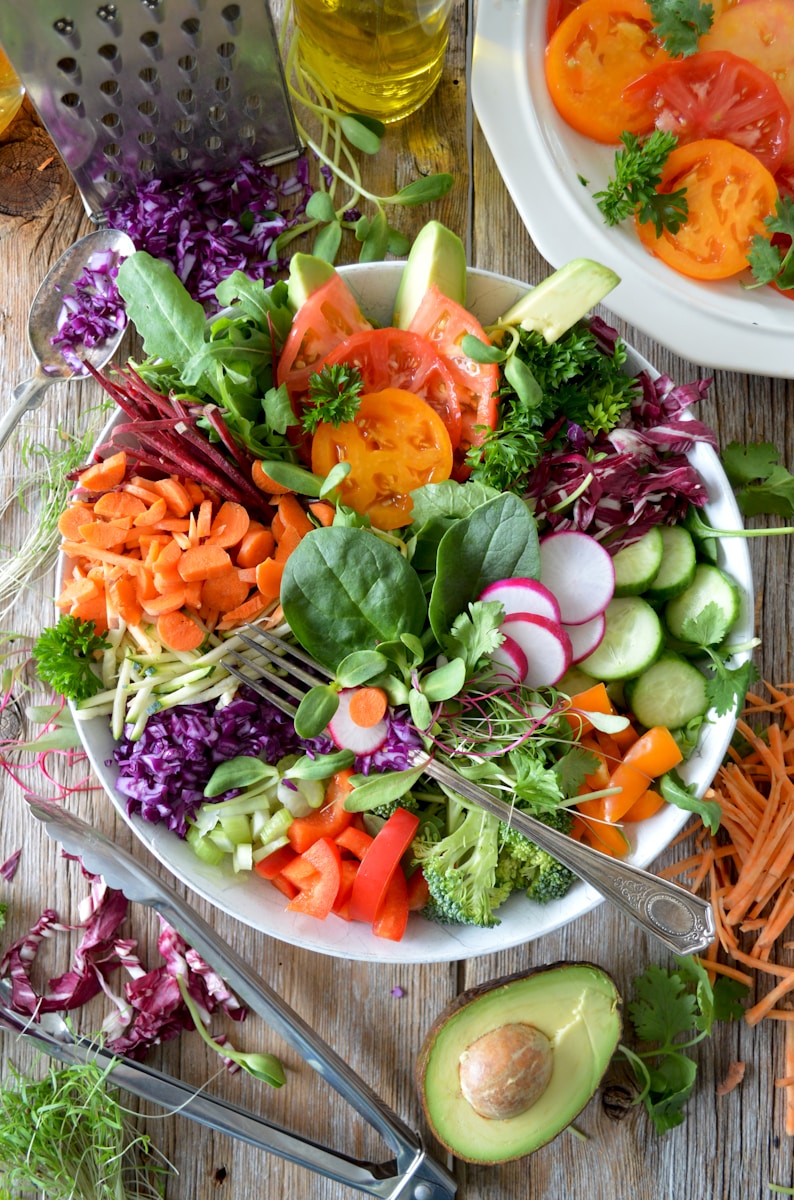
Wie houdt er niet van om zelfgekweekte groentes te eten? Ze zijn heerlijk en ook nog eens gezond. Het zelf kweken van groentes kan echter een uitdagende en tijdrovende klus zijn als je niet de juiste groentes kiest. Daarom hebben we deze lijst samengesteld met 10 makkelijke groentes die je gemakkelijk en succesvol kunt kweken in je eigen tuin of balkon.
Radijs
Radijs is een van de makkelijkste groentes om te kweken en is een uitstekende optie voor beginnende tuinders. Ze kunnen in bijna elk seizoen worden geplant en rijpen snel. Radijsjes zijn ook een goede bron van vitamine C en bevatten weinig calorieën.
Kweektips voor radijs
Radijsjes kun je ofwel direct zaaien in de grond of in verhoogde plantenbakken. Plant ze ongeveer 1 tot 2 cm diep, 2,5 cm uit elkaar. Zorg ervoor dat de grond constant vochtig is en dat je ze voldoende zonlicht geeft. Radijsjes zijn in ongeveer 22-28 dagen oogstrijp.
Sla
Sla is een andere favoriet onder beginnende tuinders en kan gemakkelijk binnen of buiten worden gekweekt. Sla is rijk aan vitamine A, K, en C en is ook een goede bron van vezels.
Kweektips voor sla
Sla moet regelmatig worden bewaterd en heeft ongeveer 6 uur zonlicht per dag nodig. Begin met een goede drainage door op de bodem van je pot of plantenbak een laag kiezelstenen te leggen. Plant de zaailingen ongeveer 15 cm uit elkaar en oogst de sla als ze ongeveer 6-8 weken oud zijn.
Tomaten
Tomaten zijn heerlijk en veelzijdig in gebruik. Ze zijn niet alleen gemakkelijk te kweken, maar ook rijk aan vitamine C en lycopeen. Tomaten planten kun je zowel buiten als binnenin doen. In de volle grond of in potten.
Kweektips voor tomaten
Tomatenzaden moeten worden geplant op een diepte van ongeveer 6 mm. Geef de tomatenplant regelmatig water en op tijd voeding om de kwaliteit te bevorderen. Om de plant te ondersteunen, kun je deze aan een stok of kooi binden en vergeet niet regelmatig te snoeien. Binnen 8 tot 14 weken kun je genieten van je eigen geoogste tomaten.
Courgette
Courgettes zijn een andere favoriet voor beginnende tuinders omdat ze relatief weinig onderhoud nodig hebben. Courgettes zijn gemakkelijk te kweken uit zaad of zaailing en zijn rijk aan vitamine C.
Kweektips voor courgettes
Courgettes groeien best in vochtige, voedzame grond en hebben veel ruimte nodig om te groeien. Plant de zaden of zaailingen op een afstand van ongeveer 90 cm van elkaar. Zorg er ook voor dat de plant veel zonlicht krijgt en geef regelmatig water. De courgettes zijn oogstrijp als ze ongeveer 15-20 cm lang zijn.
Erwten
Erwten zijn een populaire groente om te kweken, omdat ze een uitstekende bron van eiwitten, vezels en vitamine C zijn.
Kweektips voor erwten
Erwten hebben mooie, rijke, goed afwaterende grond nodig op een plek waar ze voldoende zon hebben. Laat de erwten in uw tuin lekker dicht bij elkaar staan. Het is een gewas dat ondersteund moet worden met bijvoorbeeld stokken. Het oogsten van erwten vindt plaats wanneer ze nog jong zijn en voordat de erwten beginnen te rijpen.
Komkommer
Komkommers zijn erg dankbare planten omdat ze een grote oogst opleveren. Komkommers zijn daarnaast ook rijk aan vitaminen A en C.
Kweektips voor komkommer
Komkommers houden van goed doorlatende grond en veel zonlicht. Het is een goede optie om een plantenhouder of een kooi te gebruiken om je planten te ondersteunen. Zorg ervoor dat je de grond vochtig houdt en geef regelmatig voeding. Je kunt je eerste oogst verwachten na ongeveer 2 maanden.
Wortelen
Wortelen zijn rijk aan vitamine A en zijn een uitstekende optie voor een beginner.
Kweektips voor wortelen
Wortelen hebben goed doorlatende grond nodig met behoud van vocht. Vergeet dan ook niet om de wortelen regelmatig te besproeien met water. Oogst wortelen wanneer ze knapperig en veerkrachtig aanvoelen.
Paprika
Paprika’s zijn rijk aan vitamine C en zijn een populaire groente die zowel binnen als buiten kan worden geteeld.
Kweektips voor paprika
Paprika’s houden van warmte, vochtige grond en dagelijks zonlicht. Zorg ervoor dat u uw planten voedt met regelmatige doses meststof, dit zal de groei bevorderen. Oogst de paprika’s wanneer ze rijp en stevig zijn.
Boerenkool
Boerenkool staat bekend als een ‘superfood’ omdat het boordevol vitaminen zit.
Kweektips voor boerenkool
Boerenkool heeft voedzame, vochtige grond nodig met goed gedraineerde aarde. Boerenkool is een wintergroente, wat betekent dat de smaak wordt verbeterd door lichte vorst. Geef ze genoeg tijd om te groeien. Boerenkool is rijp om te worden geoogst als de bladeren groot genoeg zijn.
Spinazie
Spinazie is een zeer gemakkelijke groente om te kweken. Het is rijk aan magnesium, een nutriënt die helpt bij de spierfunctie.
Kweektips voor spinazie
Spinazie moet worden gekweekt in zon of halfschaduw op goed doorlatende, vochtige grond. Zaai in rijen met voldoende tussenruimte. Spinazie is erg gevoelig voor warmte, dus kies een koele plek. Spinazie is klaar om te oogsten wanneer de bladeren groot genoeg zijn.
Snijbiet
Snijbiet is een wintergroente en rijk aan vitamine K en A.
Kweektips voor snijbiet
Snijbiet is een groente die goed groeit op voedzame grond met voldoende vocht. U kunt de zaden zaaien in een pot, buiten in de grond of in een verhoogde bed. Oogst snijbiet wanneer de bladeren groter zijn dan 10 cm.
Conclusie
Zoals je kunt zien zijn er tal van groentes die je gemakkelijk kunt kweken als beginner. Door te beginnen met deze makkelijke groentes, bouw je snel vertrouwen op. Kiezen voor de juiste groentes zal je helpen om de hele zomer van verse, zelfgekweekte groentes te genieten.
De beste manier om je geoogste groentes te bewaren, is door ze op een koele en droge plaats te bewaren. Sommige groentes kunnen ook in de koelkast worden bewaard, terwijl andere beter gedijen bij kamertemperatuur. Het is belangrijk om te weten welke groentes geschikt zijn voor opslag bij koude temperaturen en welke dat niet zijn.
Veelgestelde vragen
Kunnen deze groentes binnenshuis worden gekweekt?
Ja, al deze groentes kunnen binnenshuis worden gekweekt met de juiste omstandigheden, zoals voldoende zonlicht en vochtige grond. Er zijn veel urban gardening tips en tricks voor het kweken van groentes binnenshuis.
Moet ik mijn groentes regelmatig voeden?
Ja, groentes hebben voldoende voeding nodig om gezond te blijven en voldoende opbrengst te leveren. Gebruik organische meststoffen om je groentes te voeden.
In welk seizoen moet ik beginnen met het planten van deze groentes?
Het hangt af van de groentes en je locatie. Sommige groentes kunnen het hele jaar door worden geplant, terwijl andere beter gedijen in bepaalde seizoenen.
Kunnen deze groentes ook in potten worden geplant?
Ja, veel van deze groentes kunnen gemakkelijk in potten worden geplant, zolang de pot groot genoeg is en er voldoende bodem, water en zonlicht is.
Hoe bewaar ik mijn geoogste groentes het beste?
De beste manier om je geoogste groentes te bewaren, is door ze op een koele en droge plaats te bewaren. Sommige groentes kunnen ook in de koelkast worden bewaard, terwijl andere beter gedijen bij kamertemperatuur. Het is belangrijk om te weten welke groentes geschikt zijn voor opslag bij koude temperaturen en welke dat niet zijn.

Wanneer je een passie hebt voor planten en tuinieren, dan loop je al snel aan tegen diverse parasieten, insecten, soorten onkruid en andere plaaggeesten die het tuinieren kunnen maken tot een vervelende klus. Ik heb daarom het blog Millium.nl in het leven geroepen. Dit moet een alomvattend bestrijdingsplatform worden waar iedereen informatie kan vinden voor het bestrijden van alle ongewenste dieren en planten.